Axis Bank Transfer Partners: Group A vs Group B Explained
Axis Bank divides its transfer partners into Group A and Group B, each with different annual caps. Here's what that means for your points.
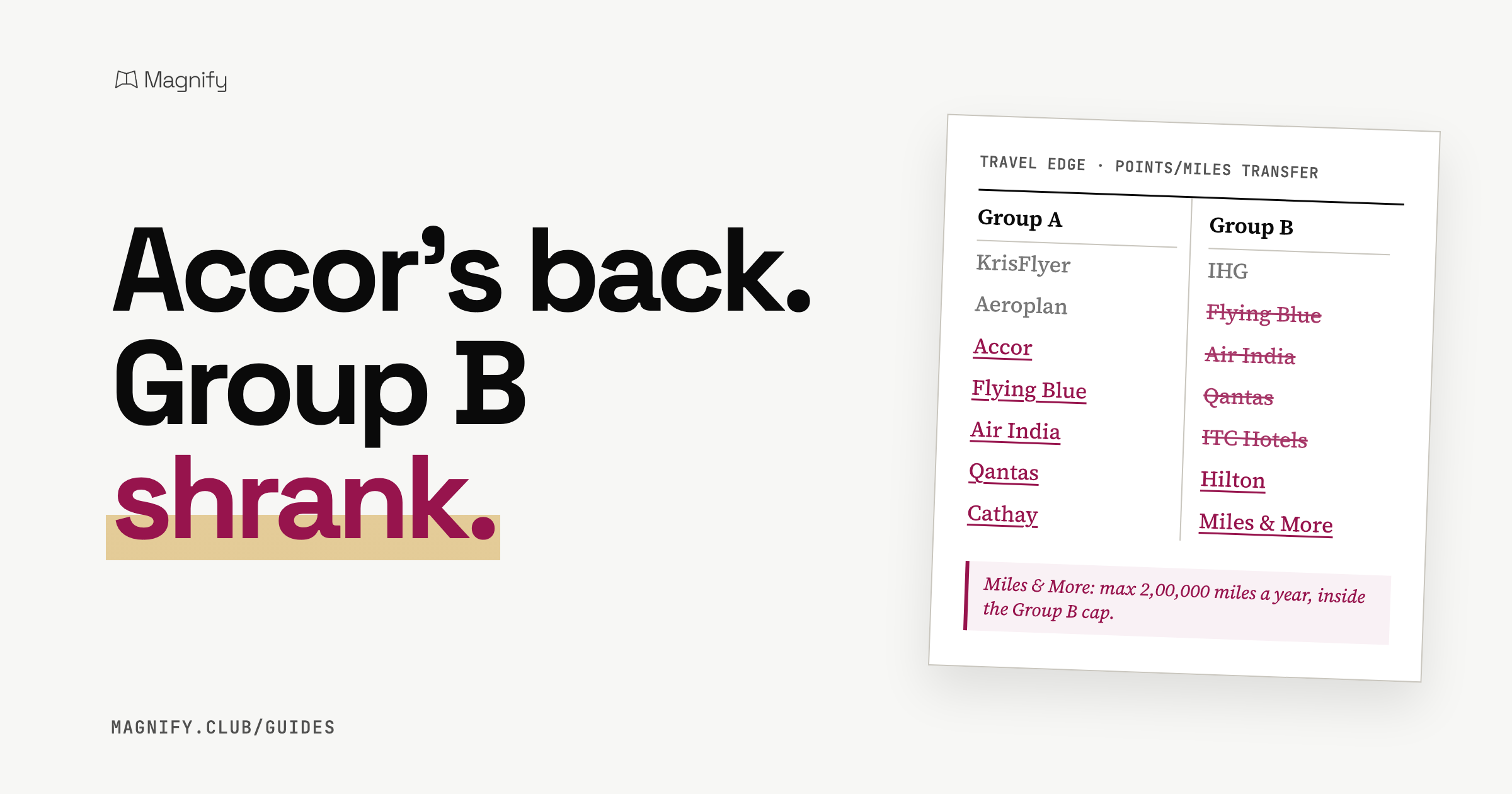
Updated September 2026: Axis moved Flying Blue, Air India and Qantas from Group B to Group A, brought Accor back at reduced ratios, and added Cathay, Hilton Honors and Miles & More. Read what changed. The lists below have been updated.
Axis Bank has over 20 transfer partners for its credit card points. But here's what trips people up: not all partners are treated equally.
The bank divides them into two groups. Group A and Group B. Each group has its own annual transfer cap. And the caps vary based on which card you hold.
If you've ever wondered why you can't transfer as many points as you'd like to Singapore Airlines but Hilton or IHG seems fine, this is why.
The Two Groups
Group A includes most international airlines and premium hotel programs. These are typically the partners people want to use for aspirational redemptions.
Group B includes domestic airlines, most of the hotel chains, and a couple of international programs like Miles & More. The caps here are more generous.
Group A Partners
- Accor Live Limitless (back in September 2026, at reduced ratios)
- Air Canada Aeroplan
- Air France-KLM Flying Blue (moved from Group B, September 2026)
- Air India Maharaja Club (moved from Group B, September 2026)
- British Airways Executive Club
- Cathay (added September 2026)
- Etihad Guest
- Ethiopian ShebaMiles
- Finnair Plus
- Japan Airlines Mileage Bank
- Qantas Frequent Flyer (moved from Group B, September 2026)
- Qatar Airways Privilege Club (back since July 2026)
- Singapore Airlines KrisFlyer
- Thai Airways Royal Orchid Plus
- Turkish Airlines Miles & Smiles
- United MileagePlus
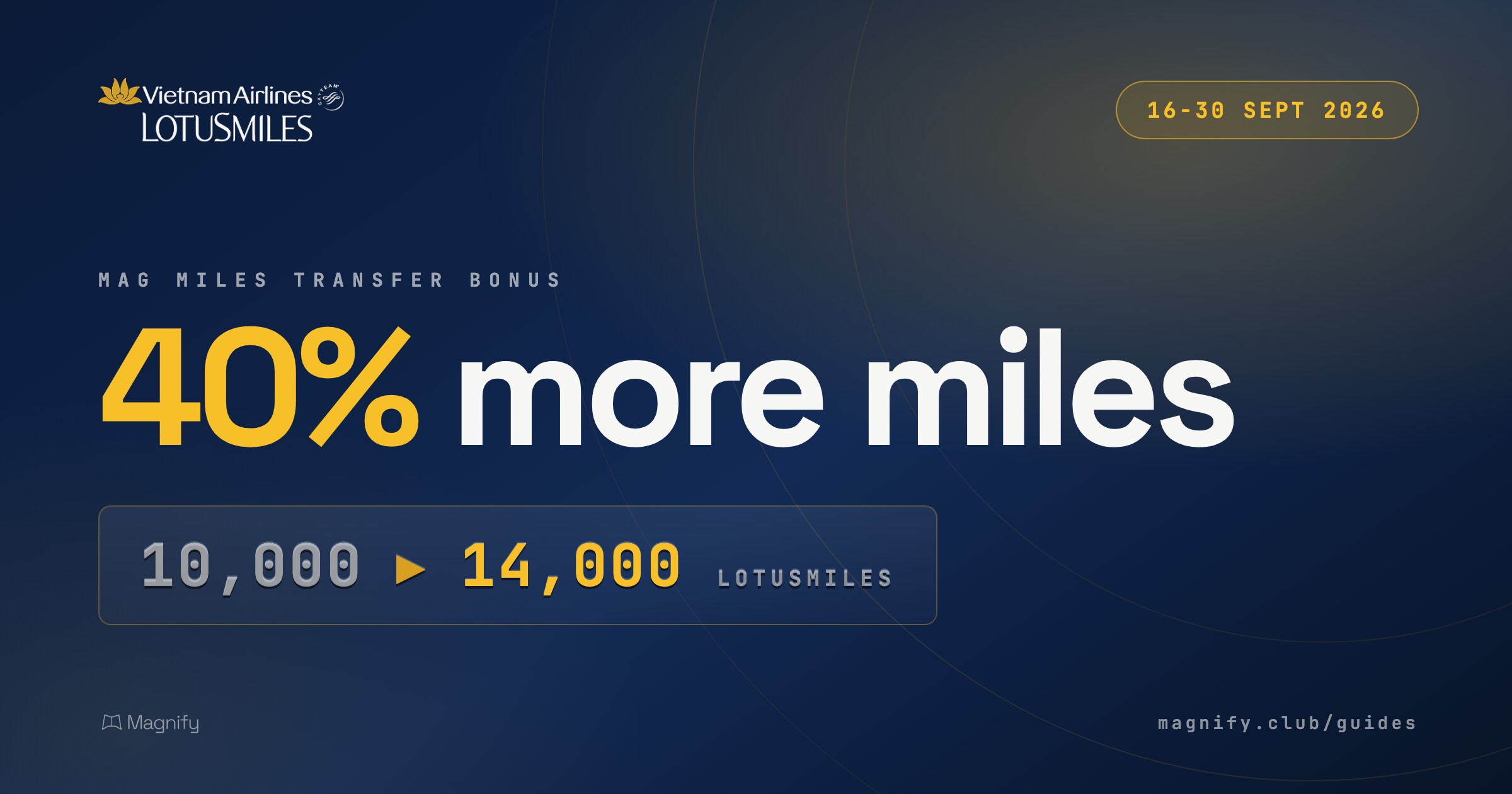
- Vietnam Airlines LotusSmiles
- Wyndham Rewards
Marriott Bonvoy(removed April 2026)
Group B Partners
- AirAsia Rewards
- Hilton Honors (added September 2026)
- IHG One Rewards
- IndiGo BluChip
- Lufthansa Miles & More (added September 2026, capped at 2,00,000 miles a year)
- Orchid Rewards
- Radisson Rewards
- SpiceJet SpiceClub
- The Postcard Sunshine Club
ITC Hotels(no longer listed, September 2026)
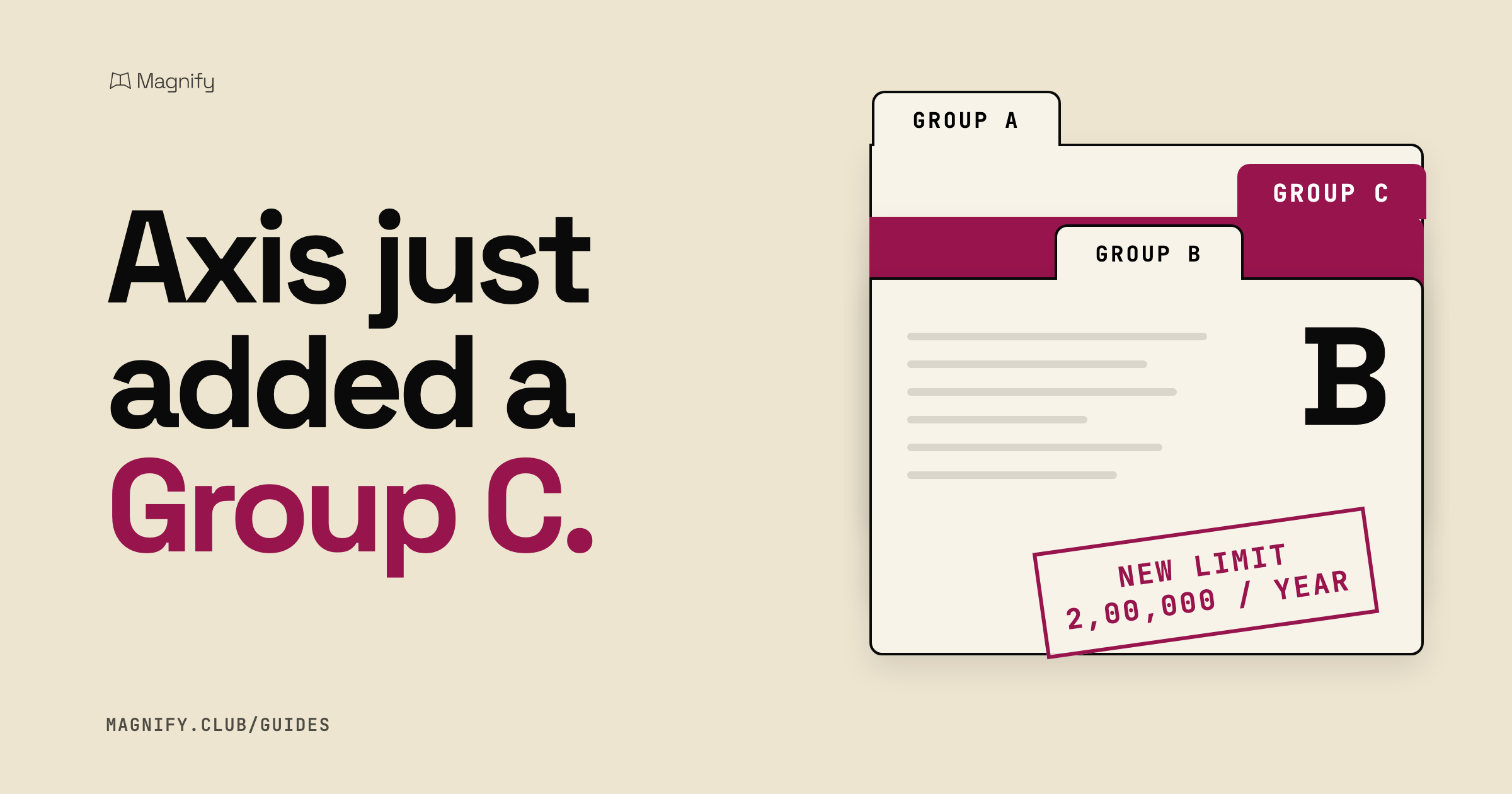
Flying Blue, Air India and Qantas used to sit in Group B, which made them the easiest place to move a large balance once your Group A cap ran out. Since September 2026 all three share the smaller Group A cap with KrisFlyer, Aeroplan and the rest. Miles & More is also the first partner with its own limit inside a group: at most 2,00,000 Miles & More miles a year, on top of the Group B cap (why we call it a hidden Group C).
Annual Transfer Limits by Card
Here's where your card tier matters. The caps below are per calendar year.
| Card | Group A | Group B | Total |
|---|---|---|---|
| Burgundy Private | 3,00,000 | 12,00,000 | 15,00,000 |
| Magnus Burgundy | 2,00,000 | 8,00,000 | 10,00,000 |
| Olympus | 1,50,000 | 6,00,000 | 7,50,000 |
| Magnus | 1,00,000 | 4,00,000 | 5,00,000 |
| Reserve | 1,00,000 | 4,00,000 | 5,00,000 |
| Select | 1,00,000 | 4,00,000 | 5,00,000 |
| Privilege | 1,00,000 | 4,00,000 | 5,00,000 |
| Rewards | 1,00,000 | 4,00,000 | 5,00,000 |
| Horizon | 1,00,000 | 4,00,000 | 5,00,000 |
| IOCL Premium | 1,00,000 | 4,00,000 | 5,00,000 |
| Atlas | 30,000 | 1,20,000 | 1,50,000 |
If you hold multiple Axis cards, the limit is determined by your highest card variant. And it applies at the Customer ID level, not per card.
When Do the Caps Reset?
The annual caps follow the calendar year. They reset on January 1st each year.
So if you transferred 30,000 Edge Miles to Singapore Airlines in March 2025 and hit your Atlas Group A cap, you'll need to wait until January 1, 2026 to transfer to any Group A partner again.
Plan accordingly if you have a specific redemption in mind. December is often a good time to use up remaining caps before the reset.
Don't Transfer Without a Plan
Before you move points to any partner program, remember this: those miles expire too. Flying Blue miles expire after 24 months of inactivity. Maharaja Club points also expire after 24 months of no earning activity. Each program has its own rules. Some are stricter than others.
The point is: don't transfer speculatively. Don't move points to a program just because you might use them someday. Have a specific redemption in mind. Check award availability first. Then transfer.
Once points leave your Axis account, they're governed by the partner program's rules. And revival or extension isn't always possible. We wrote more about why rushing to transfer might be a mistake.
Transfer Ratios Vary Too
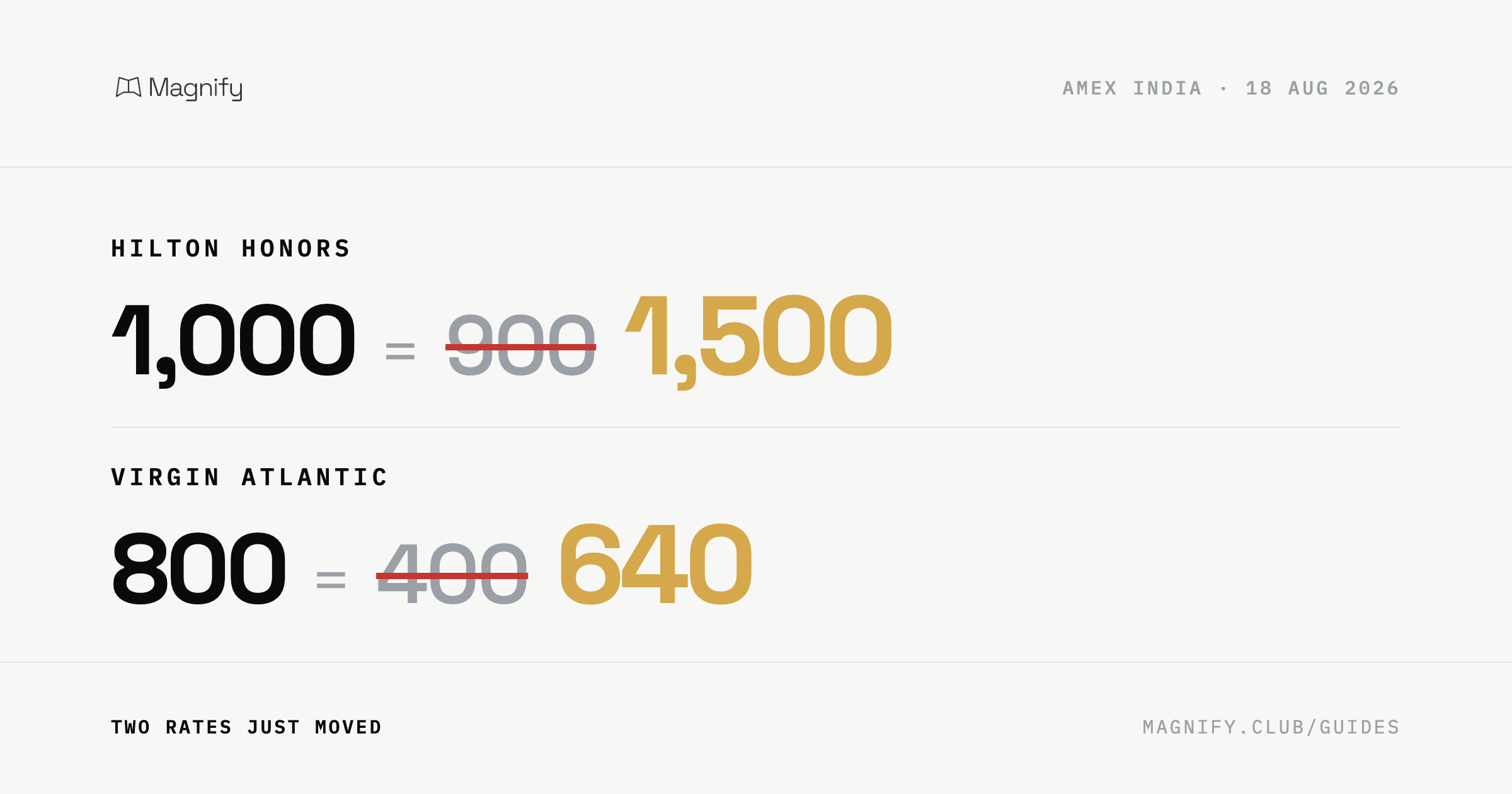
This guide focuses on the grouping and caps. But keep in mind that transfer ratios also differ significantly by card tier.
Magnus Burgundy and Burgundy Private cardholders get better conversion rates than other lower-tier cards. The difference can be substantial.
For detailed transfer ratios, partner program specifics, and to track all your points in one place, you can check the Magnify app. It shows exactly how many miles you'll get when you transfer, factoring in your card's ratio.
The Bottom Line
Don't transfer speculatively. Have a clear booking in mind before you move any points.
Group A caps are tight, and they now cover Flying Blue and Air India as well as KrisFlyer, Aeroplan and Accor, so plan your Group A transfers around a specific booking. Group B is now mostly hotels (Hilton, IHG, Radisson, Orchid, Postcard) plus AirAsia, IndiGo, SpiceJet and Miles & More. Read more about what changed.
And remember: your Axis points expire too. Check your statement to see when they lapse, and plan accordingly.
Frequently Asked Questions
What's the difference between Axis Group A and Group B?
Group A includes most international airlines and premium hotel programs, the ones people want for aspirational redemptions, and comes with tighter annual caps. Group B includes domestic airlines, most of the hotel programs, and Miles & More, with more generous caps. Flying Blue, Air India and Qantas moved from Group B to Group A in September 2026.
What are the annual transfer caps by card?
Total caps range from 1,50,000 points per year on Atlas to 15,00,000 on Burgundy Private. Group A is always the tighter sub-cap: 30,000 on Atlas, 1,00,000 on most mid-tier cards, up to 3,00,000 on Burgundy Private. The full breakdown is in the table above.
When do the Axis transfer caps reset?
January 1 each year. The caps follow the calendar year, so if you hit your Group A limit in June, you can't transfer to any Group A partner until January rolls around. December is often a good time to use up remaining caps before the reset.
Which Group has better international airlines?
Group A, by a distance. Since September 2026 it holds almost every international airline partner (KrisFlyer, Flying Blue, Air India, Qantas, Qatar, Cathay, Turkish, Thai, United, BA, JAL, Etihad, Vietnam, Finnair, Ethiopian). Group B's only international airline program is Lufthansa Miles & More, alongside AirAsia and the domestic carriers.
Does the cap apply per card or per customer?
Per customer. The limit is determined by your highest card variant and applies at your Axis Customer ID level, not per individual card. So holding multiple Axis cards doesn't increase your transfer allowance.
What changed in April 2026?
Axis Bank removed Accor, Marriott Bonvoy, and Qatar Airways from Group A, and added British Airways, Vietnam Airlines, and Finnair (at worse ratios on premium cards). Two hotel partners (Orchid Rewards and Radisson Rewards) were added to Group B. The full breakdown is in our April 2026 changes post, and the emotional fallout for Accor holders is covered here.
What changed in September 2026?
Accor came back at reduced ratios in Group A. Cathay was added to Group A, and Hilton Honors and Lufthansa Miles & More were added to Group B, with Miles & More capped at 2,00,000 miles a year. Flying Blue, Air India and Qantas moved from Group B to Group A, and ITC Hotels is no longer listed. Full breakdown here.